
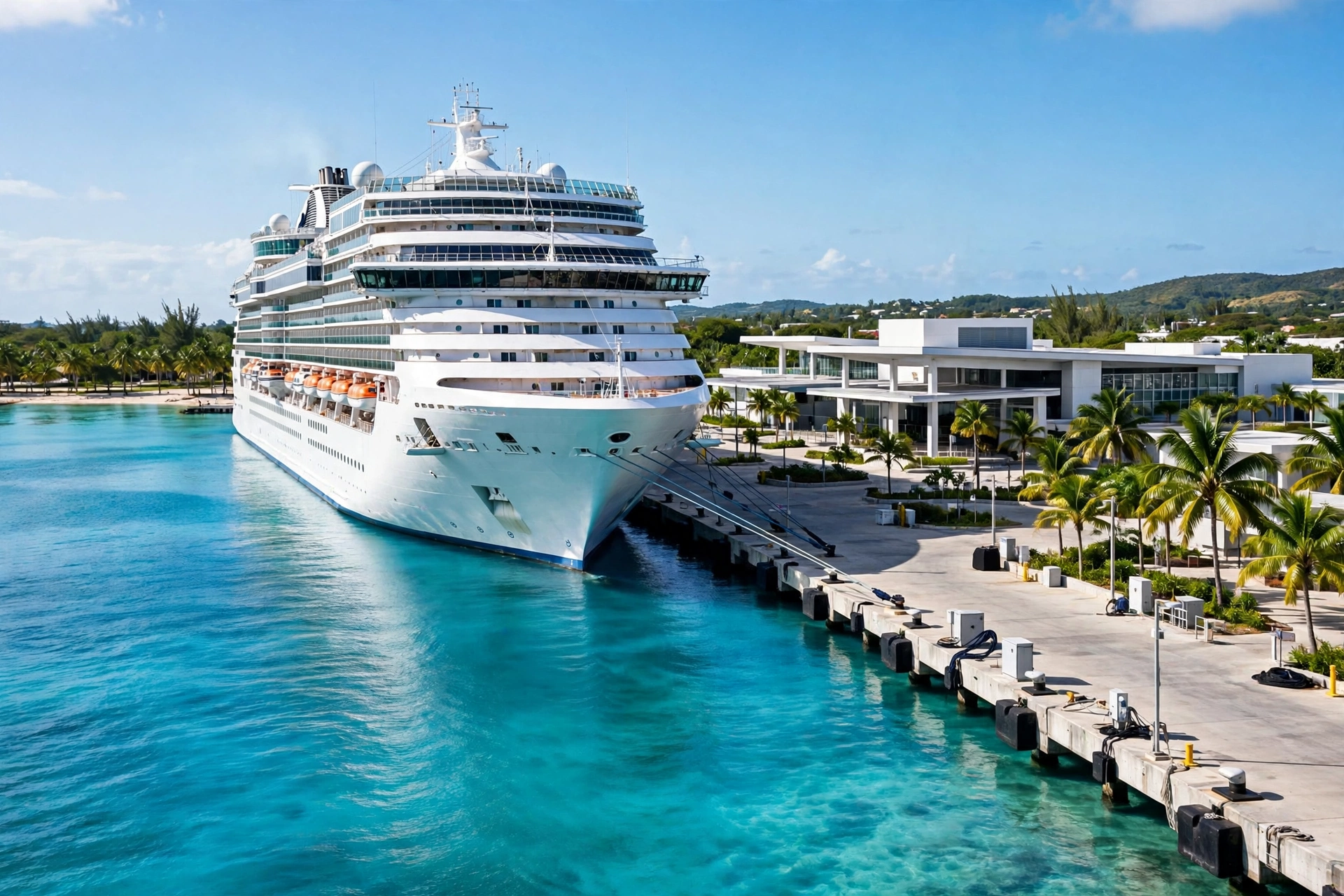
Carnival Corporation just reported the best quarter in its history, and the message for hoteliers is simple. Cruise demand is not slowing down.
For the third quarter of 2026, ended August 31, Carnival posted all-time high quarterly revenue of $8.44 billion and all-time high net income of $1.9 billion, according to the company's earnings release. Net yields rose 2.4% in constant currency, and adjusted earnings per share of $1.43 beat the consensus estimate of about $1.35.
Deposits are the number that matters
For anyone selling rooms near a cruise port, the most important figure in the release is customer deposits. They hit a third-quarter record of $7.6 billion, up nearly 7% from the prior-year record, despite essentially flat capacity growth. Deposits represent cruises already paid for, so when that number grows faster than capacity, demand is outrunning supply.
Next year looks the same. Bookings for full-year 2027 are already at record levels for both occupancy and pricing, and Carnival raised its full-year 2026 adjusted earnings guidance to $2.24 per share. Chief executive Josh Weinstein said Americans increasingly treat vacations as sacrosanct. Travel press coverage of the results picked up the remark.
Why cruising keeps winning
Three forces are compounding. First, the product keeps improving. Bigger, newer ships pull in first-time cruisers every year. Carnival also unveiled Carnival Destiny, arriving in 2029 as the first ship of its next-generation Ace class. Second, the value equation still works. Measured against rising hotel rates and airfares, a floating resort with meals included compares well for families doing the math. Third, loyalty compounds. The new Carnival Rewards program has tripled co-branded credit card issuances, which locks in repeat guests before they even start shopping.
Investors noticed. Carnival shares rose about 12% after the announcement, as market coverage reported.
The Caribbean context
The Caribbean is where this demand lands. Across the region, cruise lines have spent 2026 adding capacity and private destinations, and ports from Cozumel to San Juan keep posting strong seasons. In Honduras, the trend is already visible. Cruise arrivals were up more than 19% in the first half of 2026, and more than 100 ships were added to Honduran routes this year, most calling on the Bay Islands.
That matters because cruise passengers are not just day visitors. Industry data shows a share of cruisers return later for a land-based stay, and many more book a hotel night before or after their sailing. A port town with bookable rooms captures revenue a port town without them simply watches sail past.
What it means for your property
If your hotel is anywhere near a cruise port, treat this quarter as a demand signal, not just a headline. Each sailing carries thousands of potential guests for a pre-cruise night, a post-cruise stay, or a port day visit.
Three practical moves make the difference:
- Be bookable where cruisers plan. Cruise passengers research hotels on the same platforms as everyone else. Current photos, recent reviews, and live availability on Booking.com and Airbnb decide who gets found.
- Package the pre and post night. Early check-in, luggage storage, and a ride to the terminal turn embarkation day into reliable revenue instead of a missed opportunity.
- Price to the ship calendar. Itineraries are published months ahead. When you know which days put several thousand visitors in town, set rates that reflect it rather than leaving the upside for someone else.
The opportunity is open now
Record quarters do not distribute themselves evenly. They flow to the properties that are easiest to find and book. Recama keeps your rooms in sync across Booking.com, Airbnb, and your direct channel from one place, so when the next wave of cruise passengers starts planning, your property is already on the shelf.